 Reviews

 Proudly American
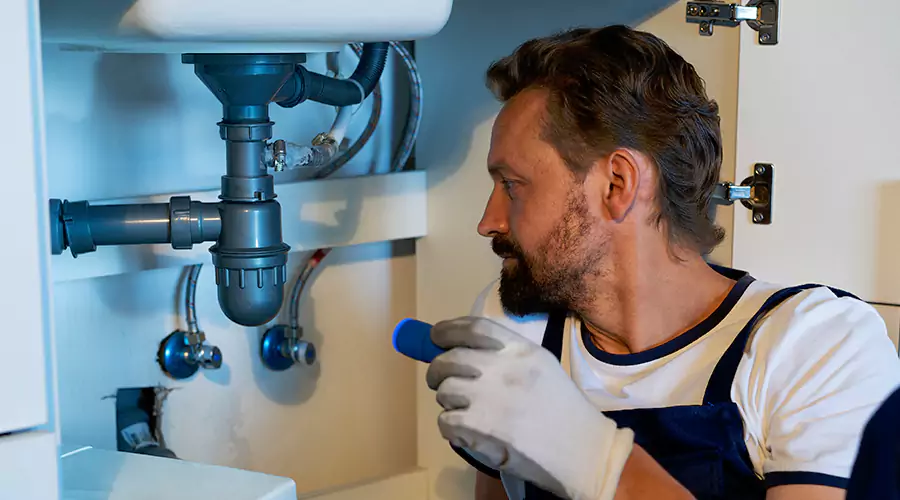
A slow drain might seem like a minor inconvenience, but in reality, it’s often an early warning sign of bigger plumbing problems. In residential homes, ignoring slow drains can lead to blockages, water damage, unpleasant odors, and even costly repairs. Homeowners who understand the causes and impacts of slow drains can take timely action to protect their plumbing system and prevent small issues from escalating into major problems.
This guide explores why slow drains should never be overlooked, the most common causes, early warning signs, and practical preventive solutions for homeowners. Recognizing problems early can save time, money, and stress while maintaining a safe and efficient plumbing system.
Common Causes of Slow Drains
Slow drains occur when water flow is restricted in the plumbing system. Some of the most frequent causes include:
1. Hair and Soap Buildup
Hair strands and soap residue in bathroom sinks, tubs, and showers can combine to form stubborn clogs over time. This accumulation gradually reduces water flow and, if left unaddressed, may eventually cause a full blockage that requires professional intervention. Regular cleaning and the use of drain strainers can help prevent this problem from escalating.
2. Grease and Food Residue
Pouring grease, oil, or food scraps down kitchen sinks may seem convenient, but these substances solidify inside pipes as they cool. Over time, this buildup narrows PVC or copper pipe installations, slowing drainage. Kitchen sinks are particularly vulnerable to fats, oils, coffee grounds, and starchy foods, all of which contribute to gradual clogs and blockages.
3. Foreign Objects
Small items accidentally flushed down toilets or sinks—such as toys, sanitary products, or wipes—can create partial obstructions in your plumbing. Even minor blockages restrict water flow, increase the risk of backups, and can damage pipe interiors if they remain unnoticed.
4. Tree Root Intrusion
Underground sewer or water pipes are sometimes infiltrated by tree roots searching for moisture. These roots can cause severe slowdowns in drainage and may damage pipe structures over time. Homes with older or aging pipes are particularly susceptible, and ignoring the problem can result in repeated clogs and costly sewer line repairs.
5. Aging Pipes and Sediment
Over the years, mineral deposits, corrosion, and sediment buildup accumulate inside older pipes. This narrows the pipe diameter, slows water flow, and puts additional stress on the plumbing system. Homes with copper, PVC, or galvanized pipe installations are especially prone to these issues, highlighting the importance of regular inspections and maintenance.
Warning Signs That Slow Drains Are Becoming a Problem
Homeowners should remain alert to the following early warning signs:
- Water pooling around sinks, tubs, or showers.
- Foul or musty odors coming from drains.
- Gurgling or bubbling sounds when water drains.
- Water backing up in multiple fixtures simultaneously.
- Frequent need for plunging or drain cleaning.
Recognizing these signs early allows homeowners to take corrective action before slow drains escalate into more serious plumbing problems, such as backups, leaks, or pipe damage.
How Slow Drains Impact the Entire Plumbing System
Even a partially clogged drain affects your home’s plumbing in several ways:
1. Increased Pressure on Pipes
When water flow is restricted, pressure builds in other sections of the plumbing system. Excess pressure can cause leaks, cracks, or even burst pipes in water pipe installations. Over time, this pressure weakens the structural integrity of pipes and increases the likelihood of emergency repairs.
2. Potential Water Damage
Slow drains can lead to overflows in sinks, tubs, or toilets. Standing water damages flooring, walls, cabinets, and other surfaces. Even small leaks resulting from slow drainage can encourage mold and mildew growth, which poses both structural and health risks.
3. Health and Hygiene Concerns
Trapped water in slow drains encourages bacterial growth. Foul odors, stagnant water, and mold create unsanitary conditions that may affect indoor air quality and household health, particularly for individuals with allergies or respiratory sensitivities.
4. Appliance and Fixture Damage
Dishwashers, washing machines, and garbage disposals depend on proper drainage. Persistent slow drainage can make these appliances operate inefficiently, increase wear on valves and plumbing fixtures, and shorten their lifespan.
Preventive Measures for Slow Drains
Homeowners can take several steps to prevent slow drains and protect their plumbing system:
- Use drain strainers in sinks, tubs, and showers to catch hair and debris before it enters pipes.
- Avoid pouring grease, oil, or coffee grounds down kitchen sinks.
- Flush drains periodically with hot water to remove minor buildup and sediment.
- Schedule regular inspections by a professional plumber to maintain copper or PVC pipe installations.
- Consider enzymatic or safe chemical cleaners for routine maintenance (avoid harsh chemicals that can damage pipes).
When to Call a Professional Plumber
While minor slowdowns can sometimes be resolved with DIY solutions, professional plumbing services are essential for:
- Recurring slow drains despite regular maintenance.
- Multiple fixtures affected simultaneously.
- Suspected clogs in main sewer lines or underground pipes.
- Inspection, cleaning, and maintenance of older or corroded pipes.
Licensed plumbers have specialized tools and expertise to remove blockages safely, identify underlying causes, and implement preventive strategies that protect your home’s plumbing system.
Conclusion
Slow drains in residential homes are more than just an annoyance—they often indicate hidden plumbing issues that threaten water flow, hygiene, and property safety. Ignoring slow drains can lead to leaks, water damage, unpleasant odors, and costly repairs.
By recognizing warning signs, following preventive measures, and calling a professional plumber when necessary, homeowners can maintain efficient water pipe installations, protect fixtures, and ensure a safe, reliable plumbing system. Address slow drains promptly to safeguard your home, prevent major plumbing problems, and enjoy uninterrupted water flow throughout your residence.